
The Healing Power of Art: Mental Health Benefits for the Homeless
The Transformative Role of Art in Healing
Art has long been regarded as a powerful means of expression and healing. For the homeless, who often face overwhelming stress and emotional turmoil, engaging with art can provide a much-needed outlet for self-expression and reflection. It offers a safe space to explore emotions and foster a sense of identity, which can be crucial for mental well-being.
Through painting, drawing, music, or other forms of creative expression, individuals can find a voice and a sense of empowerment. This not only helps in alleviating anxiety and depression but also nurtures self-esteem and confidence.
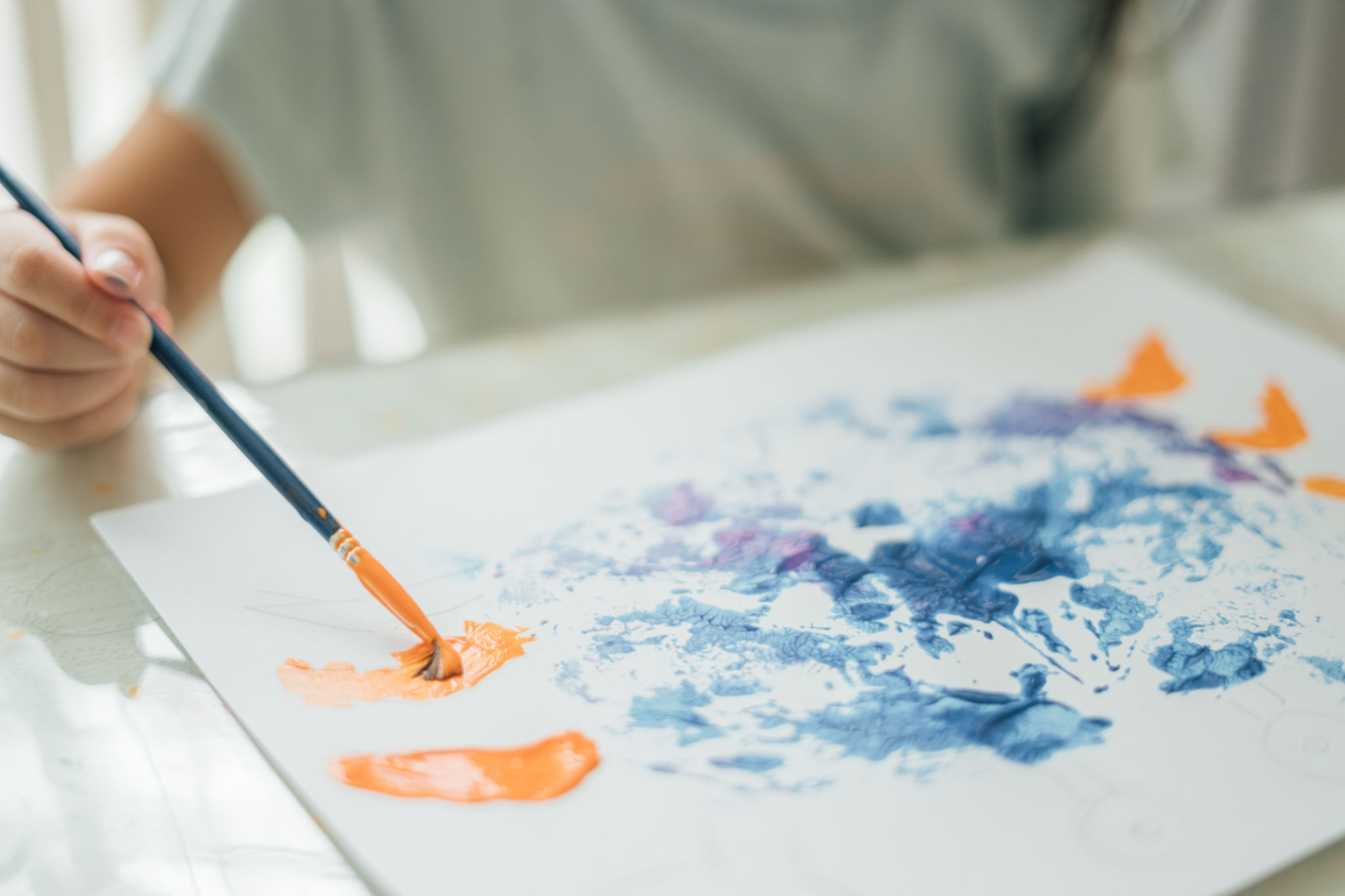
Art as a Tool for Emotional Expression
Many homeless individuals struggle with feelings of isolation and invisibility. Art can bridge this gap by offering a non-verbal avenue to express complex emotions that might be difficult to articulate otherwise. The creative process allows for the release of pent-up emotions, providing relief and clarity.
Moreover, art can serve as a form of communication, helping individuals connect with others and share their stories, thus reducing feelings of loneliness and fostering a sense of community.
Building Community and Connection
Art programs tailored for the homeless often emphasize community building. By participating in group art projects, individuals can engage with peers, fostering social connections and mutual support. This collective experience can combat the alienation many feel, creating a sense of belonging and shared purpose.
Furthermore, showcasing their art in public exhibitions or community events can boost participants' self-worth and challenge societal stereotypes about homelessness. It highlights their talents and contributions, shifting the narrative from one of deficiency to one of potential and creativity.
Therapeutic Benefits and Cognitive Growth
Engaging in artistic activities can significantly benefit mental health by promoting relaxation and reducing stress levels. The repetitive and focused nature of creating art can induce a meditative state, helping calm the mind and enhance focus.
Additionally, art encourages cognitive development by stimulating the brain and enhancing problem-solving skills. This can be particularly beneficial for those who have experienced trauma, as it aids in processing and integrating their experiences in a constructive manner.

Support and Accessibility
To maximize the mental health benefits of art, it is crucial to make these programs accessible to the homeless population. Partnerships with shelters, community centers, and local artists can provide the resources and support needed to sustain these initiatives.
By advocating for and investing in art programs, communities can play a pivotal role in supporting the mental health of the homeless. This not only enriches individual lives but strengthens the community as a whole, fostering a more inclusive and compassionate society.