
How Art Heals: The Therapeutic Benefits for the Homeless
The Healing Power of Art
Art has long been recognized as a powerful tool for healing and self-expression. For individuals experiencing homelessness, engaging in artistic activities can provide a sense of purpose and a means of coping with the challenges they face. This therapeutic process not only enhances mental well-being but also fosters a sense of community and belonging.
Through creative expression, homeless individuals can communicate their thoughts and emotions in a safe and non-judgmental environment. This can be particularly beneficial for those who struggle to articulate their feelings verbally. Art offers a unique way to explore and understand personal experiences, leading to greater self-awareness and emotional release.
Emotional and Psychological Benefits
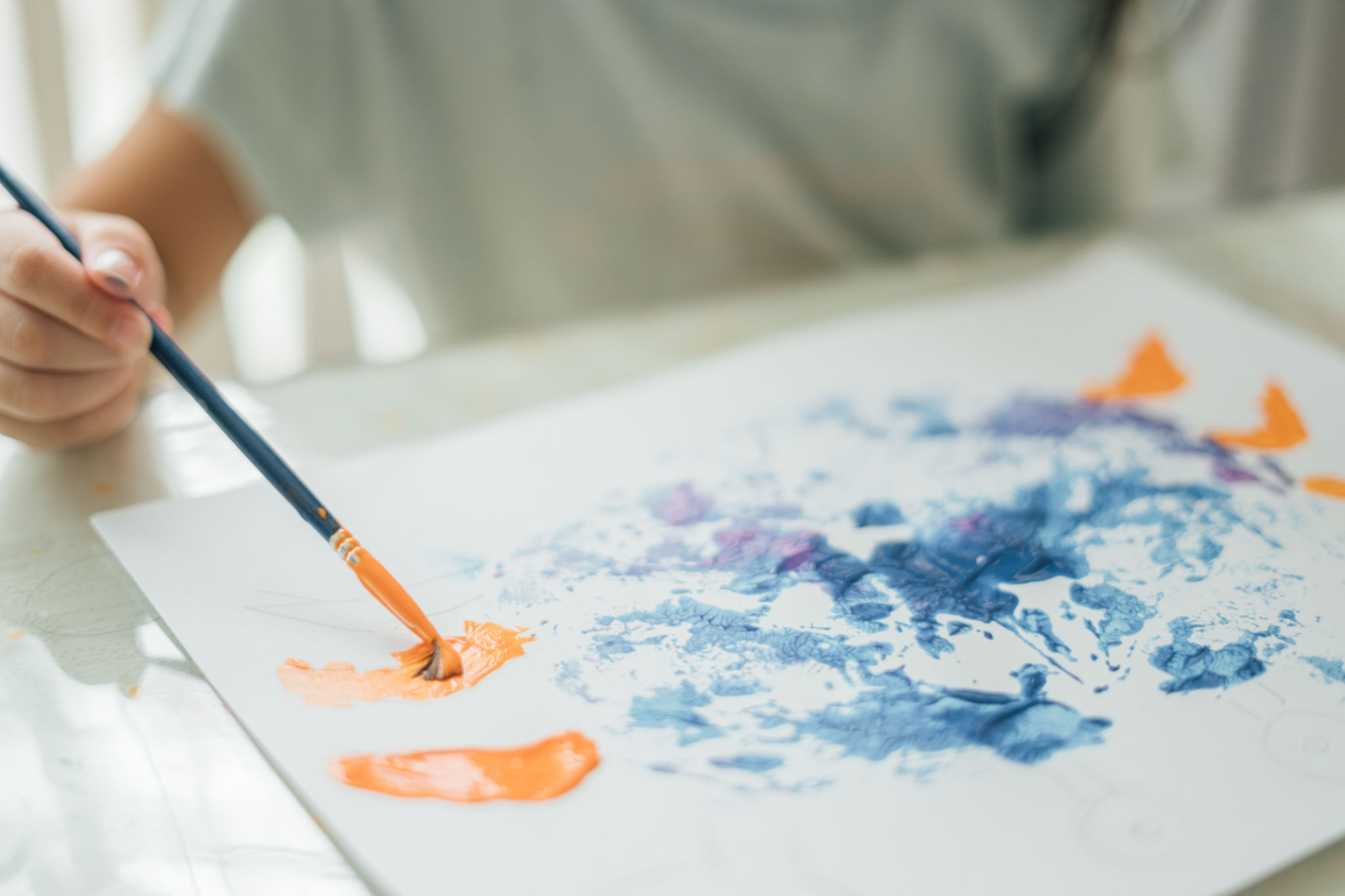
Art therapy has been shown to reduce symptoms of anxiety, depression, and trauma. By providing a creative outlet, it helps participants process difficult emotions and experiences. This can lead to increased self-esteem and a more positive outlook on life. For many homeless individuals, art serves as a beacon of hope and a reminder of their potential.
Moreover, creating art can be a meditative process that promotes relaxation and mindfulness. This is crucial for individuals dealing with the constant stress and uncertainty of homelessness. Art therapy sessions often incorporate mindfulness techniques, helping participants focus on the present moment and develop healthier coping mechanisms.

Building Community and Connection
Art programs for the homeless often emphasize collaboration and community building. By participating in group projects, individuals can forge connections and build supportive networks. This sense of community is vital for combating the isolation and loneliness that many homeless people experience.
These programs also provide opportunities for homeless individuals to interact with volunteers, artists, and supporters from different walks of life. Such interactions can foster mutual understanding and empathy, breaking down stereotypes and barriers. The shared experience of creating art can bring people together and cultivate a sense of belonging.
Practical Skills and Opportunities
In addition to emotional benefits, art programs can equip homeless individuals with practical skills that enhance their employability. Participants often learn various art techniques, from painting and drawing to pottery and sculpture. These skills can open doors to new opportunities, including exhibitions, sales, and even potential employment in creative industries.
Furthermore, showcasing their artwork allows homeless artists to gain recognition and validation. Public exhibitions can boost confidence and provide a platform for sharing their stories with a wider audience. This exposure can lead to increased awareness and support for homelessness issues within the community.

How to Support Art Programs for the Homeless
Supporting art programs for the homeless can be as simple as volunteering your time or donating art supplies. Many organizations rely on community support to continue offering these valuable services. Financial contributions can help sustain and expand these programs, reaching more individuals in need.
By attending exhibitions and purchasing artwork created by homeless artists, you can directly support their endeavors and encourage their growth. Every piece of art purchased contributes to the empowerment and upliftment of individuals who have faced immense challenges.
In conclusion, art therapy offers a transformative experience for homeless individuals, providing emotional healing, community connection, and new opportunities. Supporting these programs is a step toward a more inclusive and compassionate society, where everyone has the chance to heal and thrive through creativity.